Signs You Need Ceramic Window Tint in Tampa
The usual cause is Tampa's year-round sun: heat you can feel through the glass, glare in your eyes, and fading inside the car all point to window film that either isn't there or isn't ceramic.
Published
Part of our Ceramic Window Tint service.
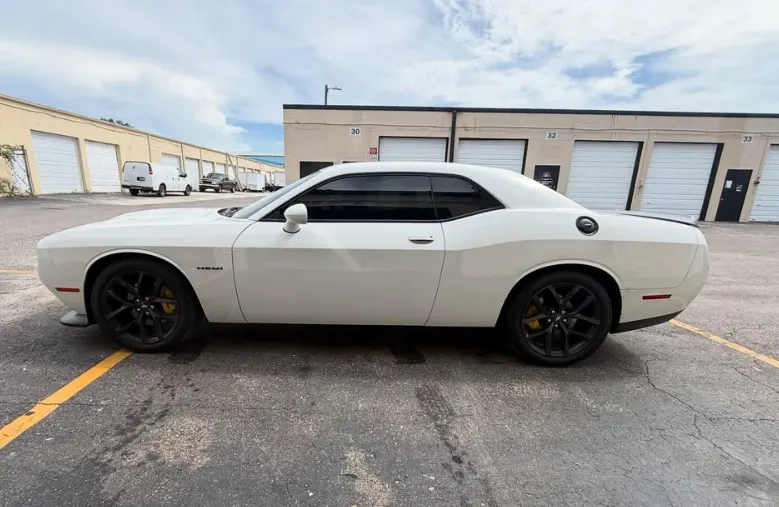
What the problem looks like
The signs show up in the cabin before you ever notice them from the curb. The steering wheel is too hot to grip after a lunch break. The AC takes blocks to catch up, and the vents never seem to win against the glass. Sunlight hits the dash and you squint through the windshield on every westbound drive home. Unlimited Tinting wrote this guide for customers in Tampa.
Inside, the damage adds up quietly. A dashboard that has grayed out, seats that feel stiff where the sun sits, and a console with faded buttons are all UV damage doing its work. If your current tint is dyed film, it may look dark while doing almost nothing about heat, which is why the cabin still bakes.
Your arm and face burn through the glass
If your left arm gets more sun than your right on the drive to work, the glass is letting UV through. Standard dyed film darkens the view but blocks only a portion of ultraviolet light, and windshields vary in what they stop. Ceramic film is built to reject the majority of UV rays across the whole vehicle.
Drivers in Tampa notice this most on the interstate, where hours of exposure add up. Freckles and tan lines on one side are a checkable sign. If skin is reacting to sunlight inside a closed car, the film is not doing its job and a ceramic upgrade is the fix.
The cabin stays hot even with the AC running
Heat you can feel through the glass is infrared radiation, and it passes straight through cheap film. Dyed and basic carbon tints can look dark and still let a large share of that heat pour in. That is why a tinted car can feel barely cooler than an untinted one in July.
Ceramic film uses non-metallic nanoparticles that reject infrared heat at the glass itself, so less of it ever reaches the cabin. If you have to run the AC on max just to keep the front seats tolerable, or the car never cools fully on short trips, the film, not the air conditioner, is usually the weak link.
Quick checks you can do today
You can narrow down the cause in a few minutes without any tools:
- Park with the sun on the driver's side, then feel the glass. Heat you notice through the film means it is not ceramic.
- Hold a phone GPS app in the car. Signal dropping hard near every window suggests old metallic film worth replacing.
- Look at the film up close. Purple, hazy, or bubbling film is dyed tint breaking down.
- Check the dash and driver's seat for fading compared to shaded areas.
- Note whether your arm tans through the window on a long drive.
Two or more of these together point to a ceramic upgrade.
Your factory tint is not doing enough
Privacy glass on SUVs and trucks looks dark, but that darkness is pigment in the glass, not heat rejection. Rear windows may run cooler while the front cabin still bakes, because the front glass usually has no treatment at all. Many owners assume the vehicle came tinted and never question why it stays hot.
The check is simple: compare how the rear seat feels against the front. If the back is comfortable and the front is not, the factory privacy glass is cosmetic. Adding ceramic film to the front two windows and the windshield evens out the cabin, which is one of the most common jobs we handle at Unlimited Tinting.
Your existing tint is failing
Old film announces itself. Bubbles trapped under the surface, edges peeling away from the glass, a purple cast, or a hazy look that never wipes clean all mean the film has broken down. Once dyed film degrades, it rejects even less heat than when it was new, so the cabin gets worse every year.
That failing layer has to come off before anything better goes on. Removing old tint without scratching defroster lines or glass coatings takes heat, scrapers, and patience, which is where the do-it-yourself path ends for most owners. A fresh ceramic install over properly stripped glass is what actually changes how the car feels.
Glare is forcing you to squint on the road
Low sun on a westbound commute, headlights bouncing off wet pavement, and dash reflections in the windshield are more than an annoyance. Glare causes squinting and fatigue, and it hides pedestrians and brake lights at the worst times. Darker cheap film does not fix it, because glare is largely visible light and infrared mixed together.
Ceramic film cuts the load while keeping the view clear, so you can pick a lighter shade without giving up comfort. Pairing a ceramic windshield or front-two-windows install with matching side film keeps the look even. If you avoid driving at sunrise or sunset because of glare, that is a sign worth acting on.
When to call a pro
Some findings end the do-it-yourself conversation entirely. Film that is bubbling or fused to the glass needs professional removal before anything new goes on, because pulling it wrong scratches glass or severs defroster lines. Windshield work is its own category: a ceramic windshield strip or full windshield film has to meet Florida visibility rules and be cut cleanly around sensors and the frit band, which is not a driveway job.
Call a professional if your checks turned up failing film, heat still pouring through factory glass, or UV damage showing inside the cabin. Unlimited Tinting installs ceramic window tint across Tampa and can look at the glass, explain which film fits, and get it on clean. See the ceramic window tint service page or call (656) 235-1019.
Ready to move forward? See our Ceramic Window Tint service
Related guides
Written by the Unlimited Tinting team.
Signs You Need Ceramic Window Tint in Tampa FAQs
How do I know if my current tint is ceramic?
Feel the glass on a sunny day. Ceramic film keeps a noticeable amount of heat out, so the window stays warmer to the touch but the cabin does not bake. Dyed film looks dark yet passes heat straight through. Purple color, haze, or bubbles are also markers of older dyed film breaking down.
Is ceramic tint worth it in Tampa's climate?
Tampa's sun is intense year round, so heat and UV rejection matter more here than in most markets. Ceramic film blocks the majority of infrared heat and UV rays, which keeps the cabin cooler, protects the interior, and reduces the load on your AC. For daily drivers, the difference is easy to feel.
Can I put ceramic tint only on my front windows?
Yes. If factory privacy glass already covers the rear, ceramic film on the front two windows and windshield strip evens out the cabin. Many Tampa trucks and SUVs get exactly that setup. The right coverage depends on how the vehicle is used and where the heat bothers you most.
What should I do before calling for a ceramic tint quote?
Note which windows are already tinted and what condition the film is in. Check for bubbles, peeling, or a purple cast, and pay attention to when the cabin feels hottest. Describing those symptoms on the phone helps the shop recommend the right film and coverage for your vehicle.
Still have questions? Contact us